Welcome to the Department of Electrical and Electronics Engineering Established in 2014.
It gives me great pleasure to welcome you to the Department of Electrical and Electronics Engineering at Bansal Institute of Research and Technology, Bhopal. The department is committed to providing quality education, fostering innovation, and developing skilled professionals who can contribute effectively to the rapidly evolving field of electrical and electronics engineering.
Our curriculum is designed to blend strong theoretical foundations with practical knowledge through well-equipped laboratories, industry-oriented projects, and research activities. We encourage our students to develop analytical thinking, creativity, and problem-solving abilities so that they can face real-world engineering challenges with confidence.
The department is supported by a dedicated team of experienced faculty members who continuously strive to guide and mentor students in their academic and professional growth. We also promote participation in technical seminars, workshops, and collaborative activities that help students stay updated with emerging technologies.
At Bansal Institute of Research and Technology, Bhopal, we believe in nurturing responsible engineers who not only excel technically but also uphold strong ethical and social values. I invite students to make the best use of the opportunities available in the department and work towards building a successful and meaningful career.
I wish all our students a bright and prosperous future.
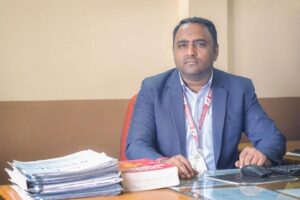
Dr. Deepak Kourav
Head of the Department
Department of Electrical and Electronics Engineering
| NAME | Photo | Designation | Date of Joining | Education Qualification | Contact No. | Area Of Interest | |
| Anukirti Srivastava |  | Assistant Professor | 1/12/2023 | M.Tech (Power Electronics) , Phd persuing from MANIT, Bhopal | 9406762059 | anukirtisrivastava01 @gmail.com | Control System , Power System , Network Analysis |
| Shashank Shekhar | 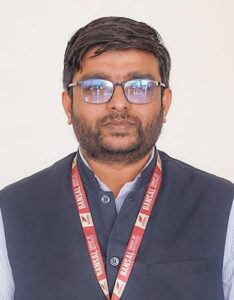 | Assistant Professor | 2/5/2025 | M.Tech (Power Systems) | 8989634207 | shashanksshekhar5 @gmail.com | Power System , Electrical Machines, EMMI |
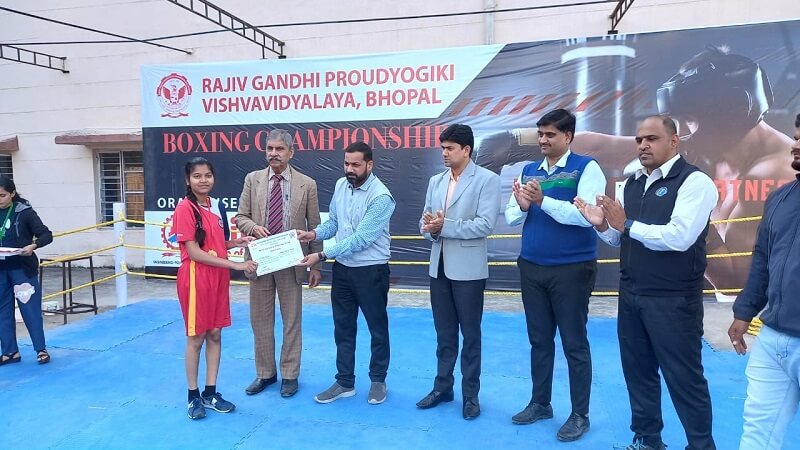
RGPV Nodal Boxing Championship – 2024
A medal was secured by Ms. Nitika Talware in the RGPV Nodal Boxing Championship 2024, bringing recognition to the institution for excellence in sports.
The achievement was accomplished through consistent dedication, discipline, and outstanding performance in the championship. This accomplishment added another milestone to the institution’s record of excellence in sports and reflected the encouragement provided for students to participate in extracurricular and competitive sporting activities.
Inter-College Competition – Circuit Debugging
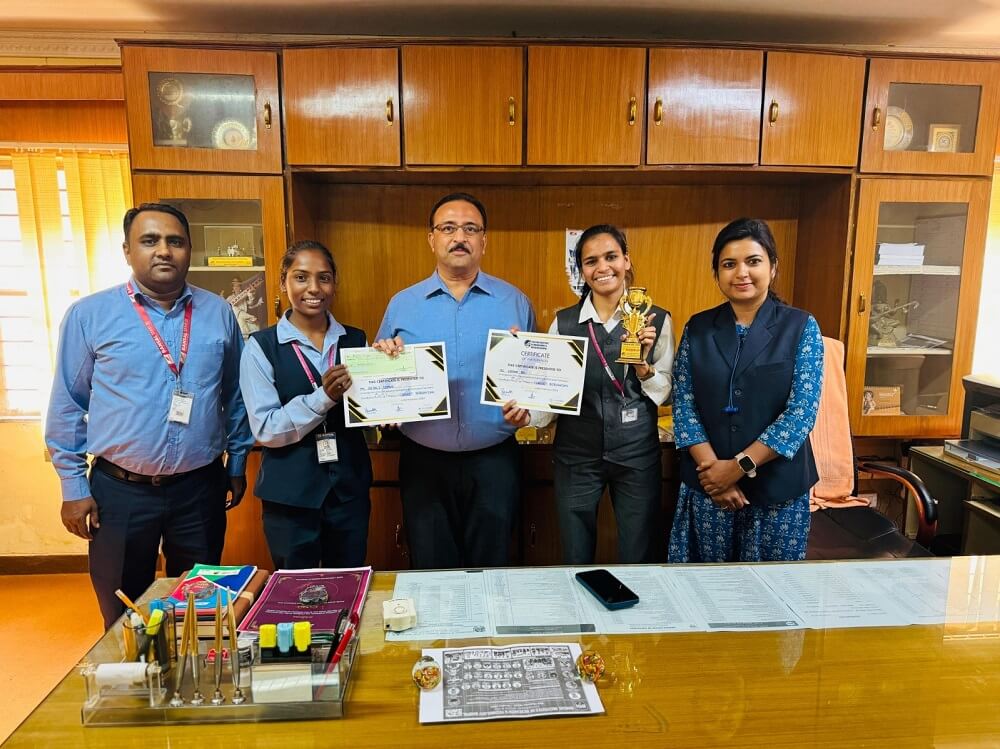
The 1st Runner-Up position in the Circuit Debugging event at the Inter-College Competition held at Prestige Institute of Engineering, Management & Research, Bhopal, was secured by Ms. Anjali Singh and Ms. Sadhna Pal.
The achievement reflected their technical proficiency, analytical skills, and effective teamwork. This accomplishment brought recognition to the institution and highlighted the commitment of its students toward excellence in technical and competitive events.
International Conference Paper Presentation
A research paper titled “Role of Smart Grid Technology in the Power Sector in India” was presented by Mr. Vijay Mishra and Ms. Suhani Sahu at an International Conference held at the Prestige Institute of Management and Research, Bhopal.
The presentation reflected their academic excellence, research aptitude, and technical understanding of emerging technologies in the power sector. This achievement contributed to the institution’s academic recognition and encouraged active participation in research and scholarly activities.
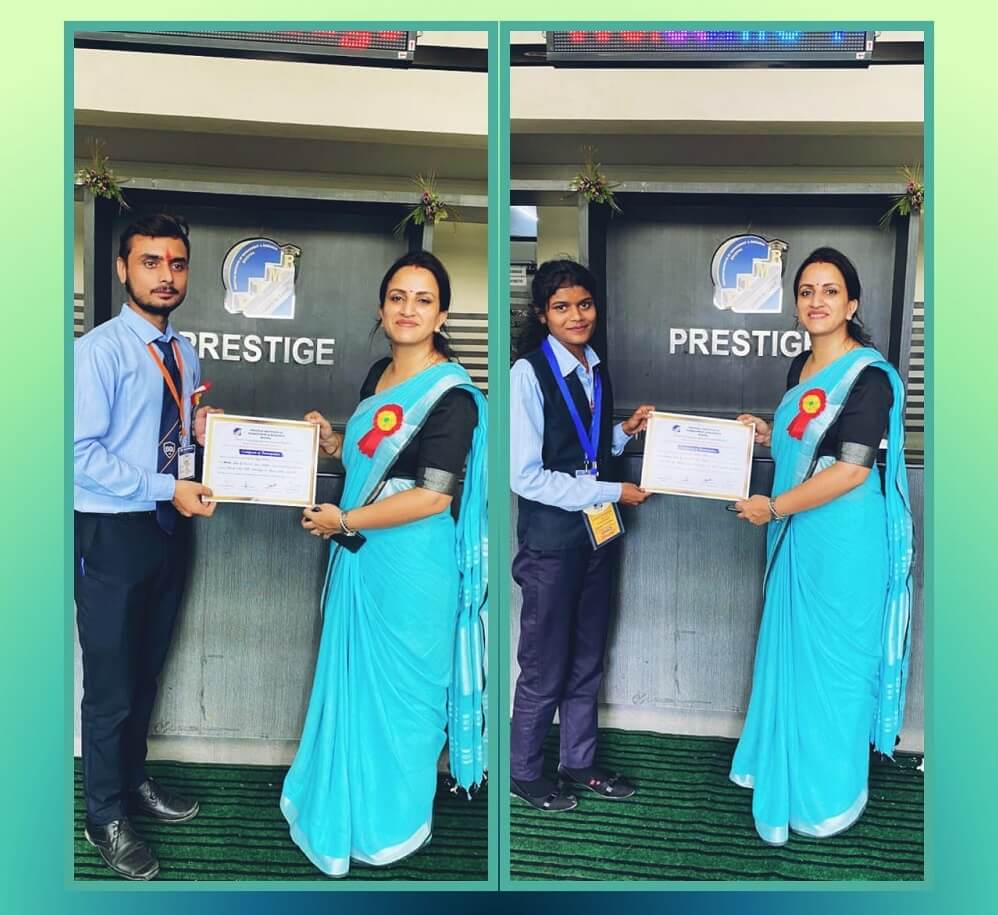
International Conference Paper Presentation
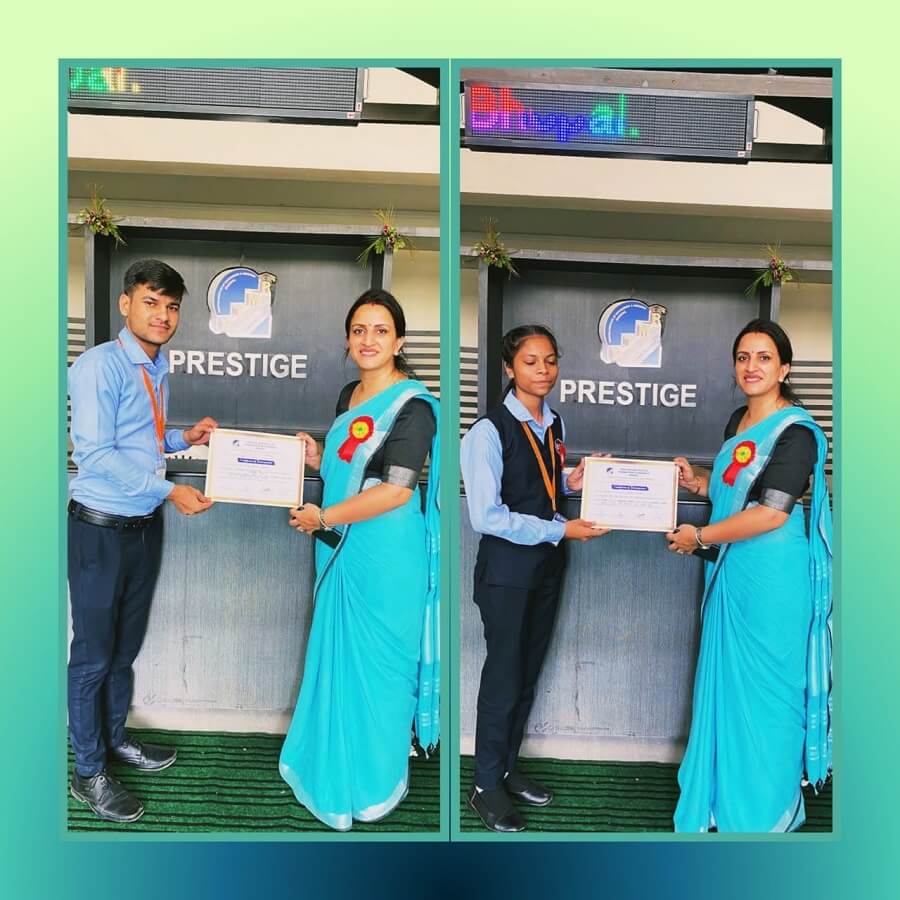
A research paper titled “Design of EV Charging Station Using Renewable Energy System (HOMER Grid Software) for Urban Areas” was presented by Mr. Shivam Sharma and Ms. Monika Parmar at an International Conference held at the Prestige Institute of Management and Research, Bhopal.
The presentation demonstrated their research capabilities, technical knowledge, and commitment to sustainable energy solutions. This accomplishment enhanced the institution’s academic profile and reflected the active participation of its students in research and innovation.
NPTEL Elite Certification Achievement
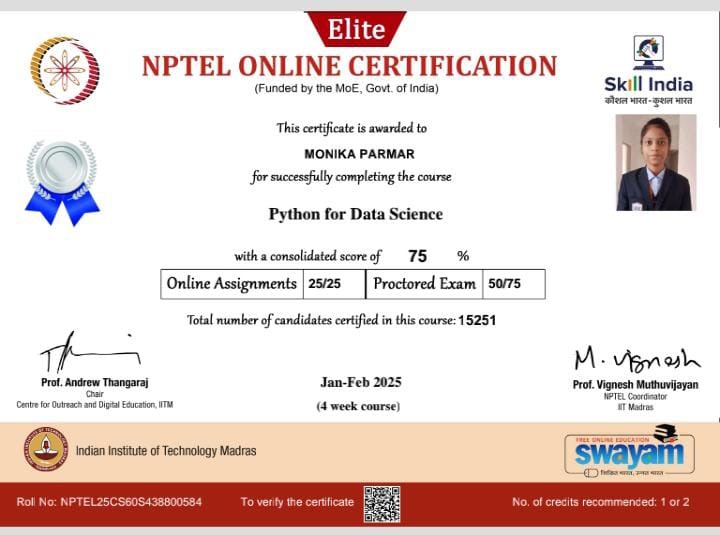
An Elite Certification under the NPTEL program was achieved by Ms. Monika Parmar, a student of the Electrical Engineering (EX) Branch.
The certification reflected her academic excellence, commitment to continuous learning, and proficiency in the subject undertaken through the NPTEL platform. This accomplishment added to the institution’s academic achievements and encouraged students to actively participate in nationally recognized online learning programs.
Report on One Day Seminar
1. Title of the Program
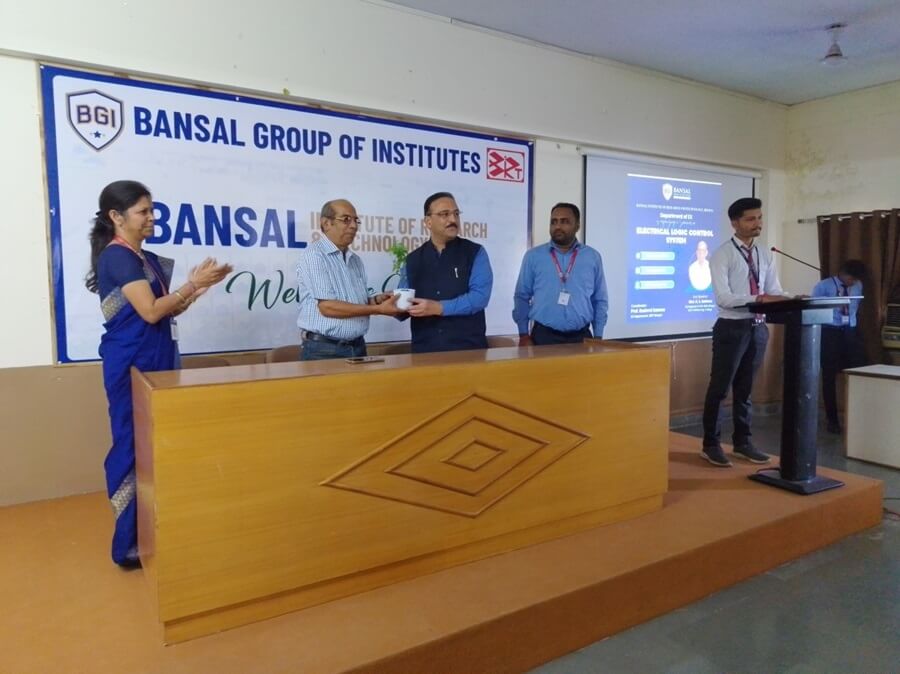
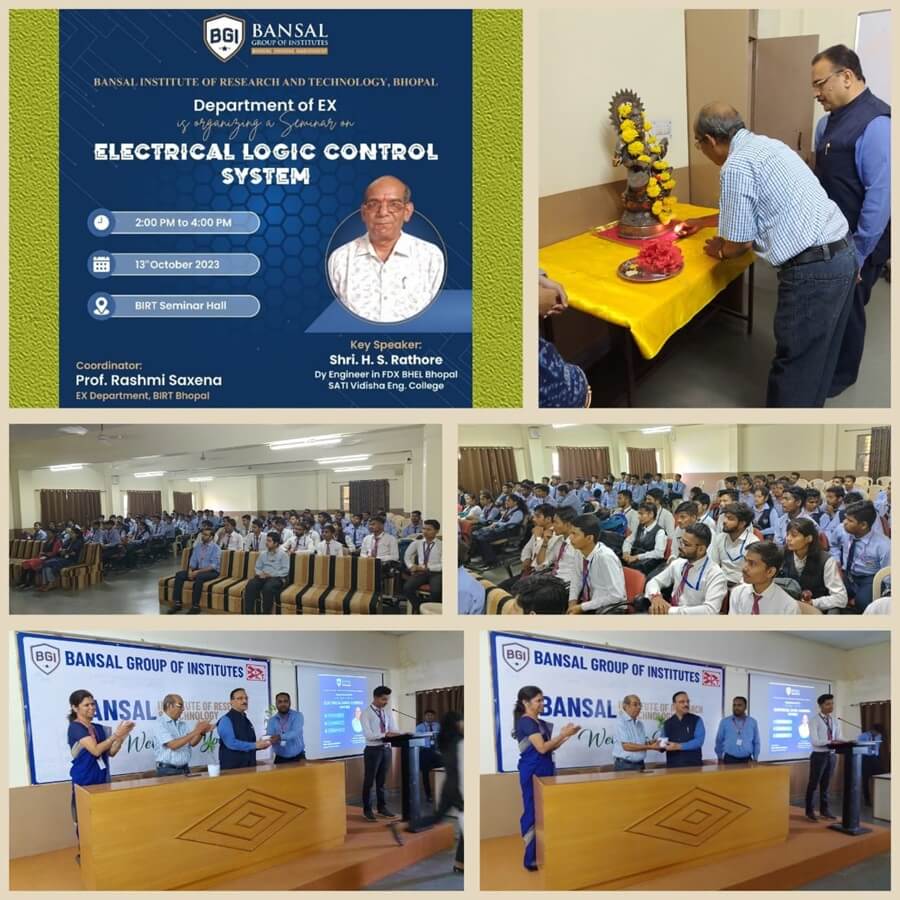
One Day Seminar on Electrical Logic Control System
2. Organizing Department
Department of Electronics and Communication Engineering & Department of Electrical and Electronics Engineering
3. Date of the Program
13 October 2023
4. Resource Person
Shri H. S. Rathore
(Dy. Engineer, FDX BHEL Bhopal & SATI Vidisha College)
5. Duration
One Day
6. Number of Participants
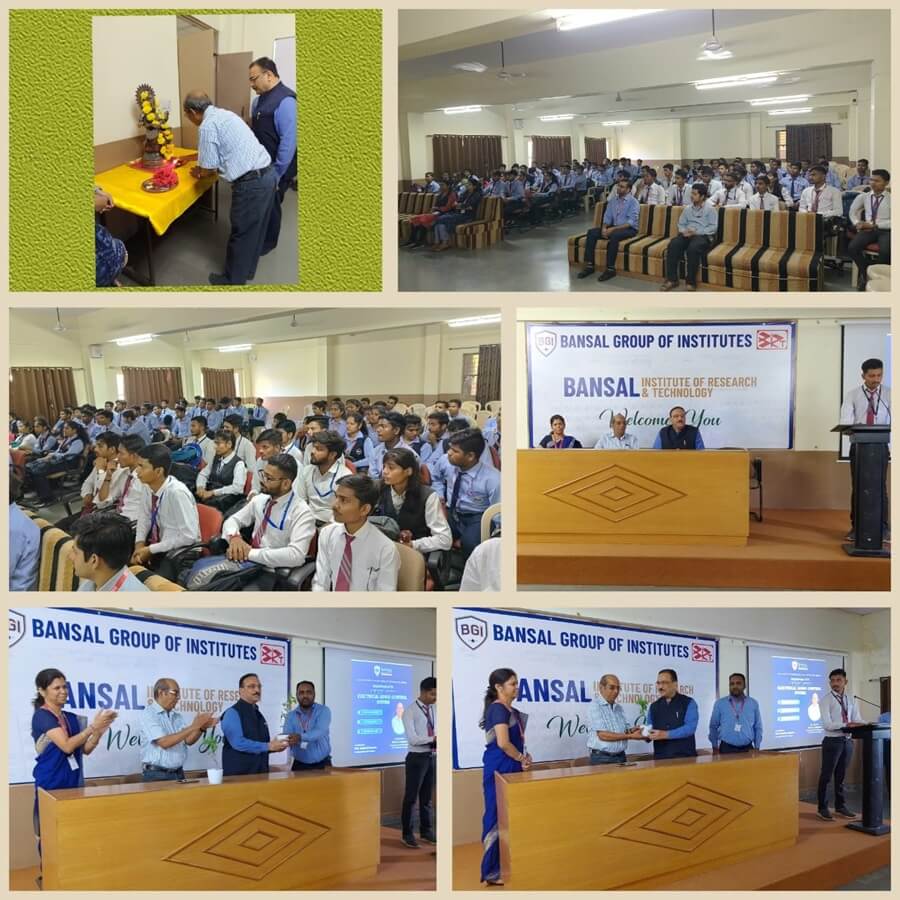
75 Students
7. Objectives of the Program
The main objectives of the seminar program were:
- To control and automate electrical machines and processes using logical operations.
- To ensure safe and reliable operation of industrial equipment.
- To improve efficiency, accuracy, and productivity of systems.
- To implement logical decision-making using relays, contactors, PLCs, and sensors.
- To facilitate easy troubleshooting and maintenance.
- To support flexible and scalable automation solutions.
8. Brief Description of the Program
A One Day Seminar on Electrical Logic Control System was organized by the Department of Electronics and Communication Engineering and the Department of Electrical and Electronics Engineering on 13 October 2023.
The seminar focused on the design and operation of electrical logic control systems used in industrial automation. The resource person explained how electrical machines and industrial processes are controlled using predefined logical conditions.
The session covered various components such as relays, contactors, timers, sensors, and Programmable Logic Controllers (PLCs), which are used to perform logical functions like AND, OR, and NOT operations.
The seminar also highlighted the importance of automation in ensuring safe, sequential, and efficient operation of industrial equipment. The program provided students with practical knowledge about industrial control systems and enhanced their understanding of automation technologies used in modern industries.
9. Outcomes of the Program
After successful completion of the seminar program, the following outcomes were achieved:
- Reliable and automatic control of electrical machines and processes.
- Improved safety through interlocking and protection circuits.
- Reduction in human error and manual intervention.
- Higher efficiency and productivity in industrial operations.
- Accurate and sequential operation of control systems.
- Easy troubleshooting and maintenance of electrical systems.
- Better energy management and system reliability.
- Foundation for advanced automation and PLC-based systems.
10. Coordinator
The seminar was successfully coordinated by:
- Prof. Rashmi Saxena
Their dedicated efforts ensured the smooth planning and successful execution of the program.